



Meeting of the International Discussion Club “VISION 3000”: Education through Culture
On June 25, 2026, the Moscow House of Nationalities hosted a strategic meeting of the International Discussion Club “VISION 3000” with the support of the Moscow Government (Department of National Policy and Interregional Relations of the City of Moscow). The event was dedicated to the theme: “Education through Culture: How Traditions, Public Diplomacy and Historical Memory Shape the Individual”.
The general information partner was the online media “Embassy Life”.
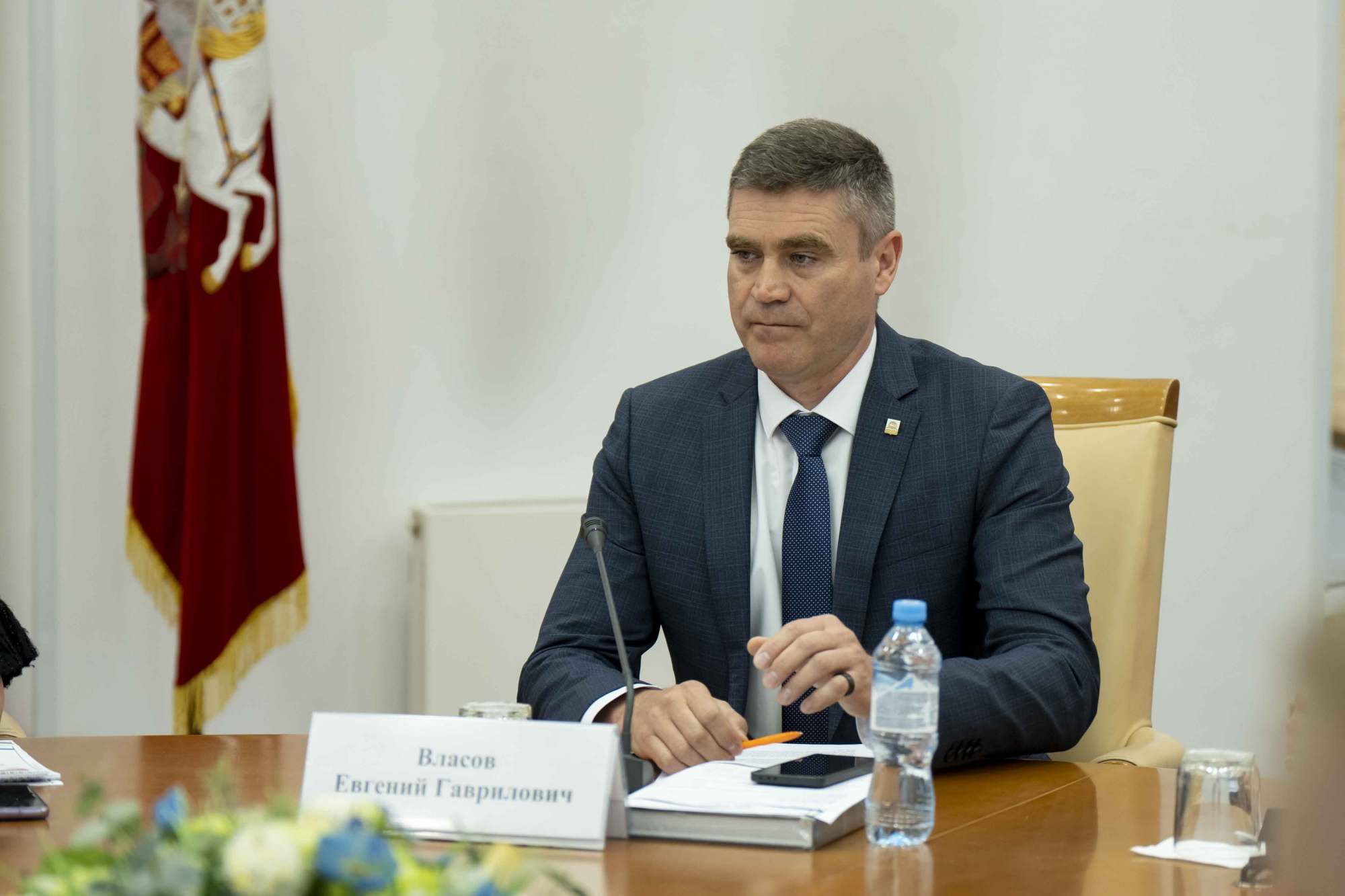
Gastrod Diplomacy as a Tool of People’s Diplomacy and Historical Memory
A vivid and memorable presentation was delivered by Evgeny Gavrilovich Vlasov – Head of the Representative Office of the Governor and Government of Kamchatka Krai under the Government of the Russian Federation, Chairman of the Council of Heads of Representative Offices of Subjects of the Russian Federation. He presented the topic: “Gastrod Diplomacy as a Tool of People’s Diplomacy and Historical Memory.”
Opening his speech, Evgeny Gavrilovich welcomed the participants and shared his impressions of the recently held festival “Russia is Us! The Resonance of Cultures,” noting that it is a vivid example of people’s diplomacy. Through the presentation of the unique cultures of our multinational people, we come to know Russia, enrich ourselves and educate ourselves. He thanked the President of the Club, Alfiya Amirova, for the exhibition presented at the festival, which became an important part of this cultural dialogue.
Why Gastrod Diplomacy?
The speaker drew attention to the connection between the festival and gastrod diplomacy: throughout the concert, the hosts linked the regions not only with unique dances and performances, but also with the food that can be tasted in this or that region. Gastronomy also united the entire concert, becoming a bridge between cultures.
Evgeny Gavrilovich presented the case of the Kamchatka Territory, showing how at first glance distant concepts — diplomacy, historical memory, gastronomy and the unique culture of the regions — are interconnected.
Gastrod Diplomacy as “Soft Power”
The speaker emphasized that gastrod diplomacy has long become a real instrument of “soft power.” When national cuisine is purposefully used to shape the image of a country or region, we see classic work with reputation and trust. This is a sphere where not states, but people themselves, through treats, shared meals and exchanging recipes, build bridges. Food acts as a universal language: through taste, aroma and shared cooking, the deepest immersion into culture takes place.
Historical Memory in Every Dish
Memory of the past is stored not only in archives. Every traditional dish is a frozen history. Evgeny Gavrilovich gave a vivid example: when tasting “tolkusha” — a dish of the Itelmens made from pine nuts, roots and seal fat — we touch the diet of people who survived for centuries in the harsh conditions of the North. And when we prepare Kamchatka-style salmon soup from freshly caught salmon, we remember the fishing cooperatives that during the Great Patriotic War worked around the clock to catch fish for the front, replacing scarce meat with canned food.
Kamchatka as a Model of a Multinational World
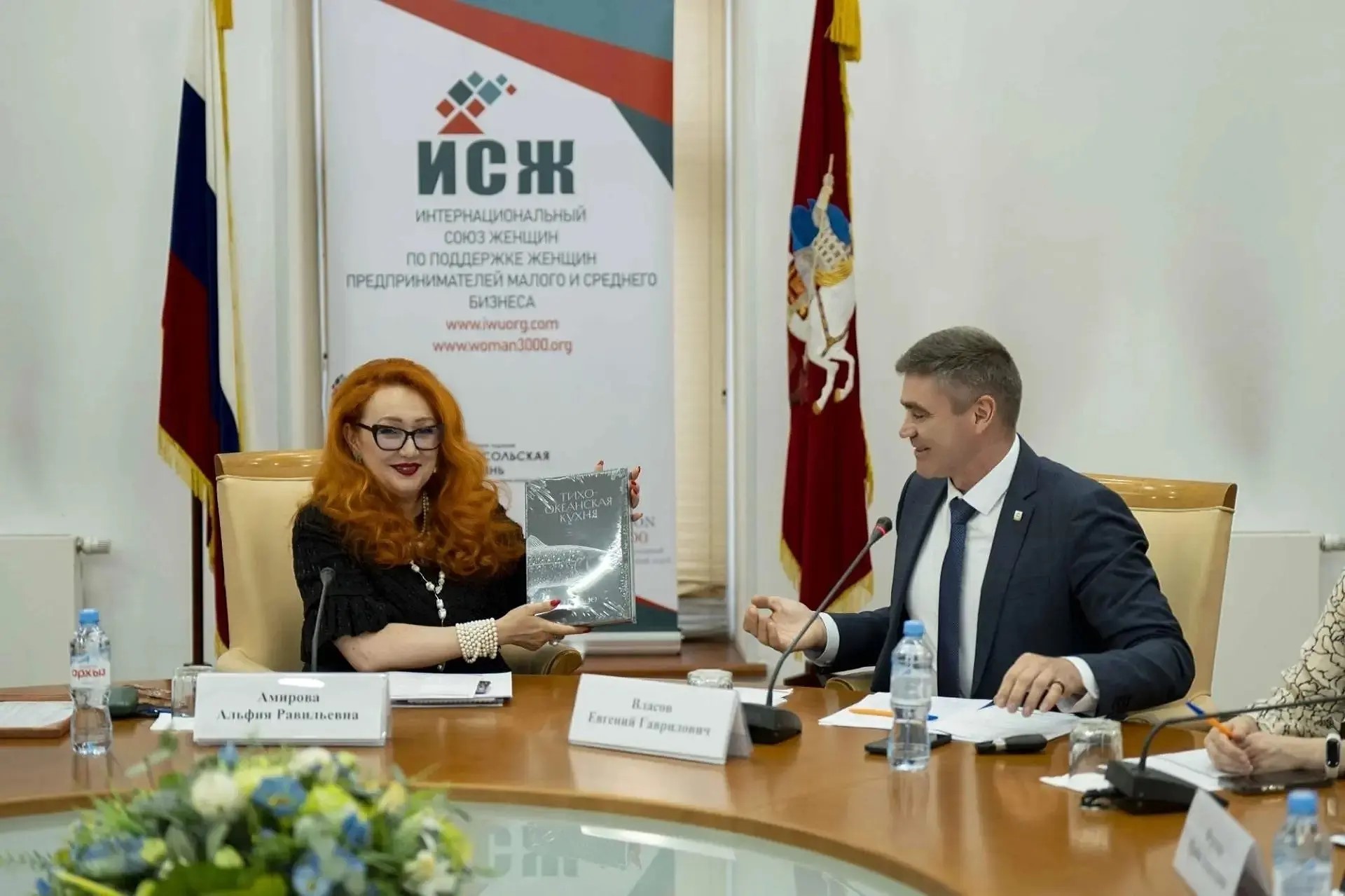
The speaker noted that Kamchatka is a model of a multinational world. Different culinary traditions historically coexisted there, and an amazing interpenetration occurred. The Russian stove and fish soup from three types of fish, Korean kimchi from wild garlic, Itelmen tolkusha — all this constitutes a single gastronomic image of the region. Evgeny Gavrilovich emphasized that this approach is consciously cultivated in the Kamchatka Territory, and as confirmation of his words, he presented a book on the development of the gastronomic direction on the peninsula.
Flagship Project: Festival “PaprotnIKRAb”
Special attention was paid to the flagship project of gastrod diplomacy on the peninsula — the festival “PaprotnIKRAb”. The name itself plays on three key products: fern, caviar and crab. The festival’s format is unique: not only the best chefs of Russia come to it, but also foreign guests. Evgeny Gavrilovich shared fresh impressions: the festival took place throughout the previous week and included many events — from the mass collection of ferns to special menus in key restaurants of the region, business, competition and entertainment programs.
State Support and Economic Effect
It is important to note that this vector of development received powerful support from the state. The President of the country, Vladimir Putin, repeatedly emphasized the need to remove infrastructural restrictions and create comfortable conditions for the development of the tourism business, including in Kamchatka. Evgeny Gavrilovich noted that gastronomic tourism gives a multiplier effect: hotels are filled, local food producers are actively developing, roads are being modernized and new berths are being built. This is a real contribution to the economy, which at the same time preserves the fragile ecosystem, makes travel accessible to guests and brings direct benefits to the residents of the peninsula.
Reaching the Federal Level
Now the promotion of Kamchatka cuisine has gone far beyond the region. A striking example is the work of the Representative Office of the Kamchatka Territory in Moscow, which conducts real gastrod diplomacy. The geography of events is constantly expanding: from large-scale festivals at iconic venues in the capital to chamber, but extremely prestigious presentations at the Russian Ministry of Foreign Affairs and the Federation Council.
Conclusion: Russia as a Gastronomic Encyclopedia
In conclusion, Evgeny Gavrilovich emphasized that our country is a huge gastronomic encyclopedia. At one end — Pomor fish soup with cod and cloudberry, at the other — Caucasian khinkal with spicy herbs, in the Volga region — Tatar echpochmak, in the Far East — Buryat buuz and Kamchatka “telnoye”. Behind every dish is a people with its history, climate and cultural code. But it is important that this diversity does not divide, but unites. This is the idea underlying many all-Russian initiatives.
A striking example is the festival “Russia is Us! The Resonance of Cultures”. At such venues, people’s diplomacy ceases to be an abstraction. The festival proves in practice: through gastronomy we realize our enormous cultural wealth and unity. This is the very foundation on which the unique gastrod diplomatic experience of each individual region is built, including our Kamchatka Territory.
The article is prepared based on the materials of the speech by Evgeny Gavrilovich Vlasov within the framework of the meeting of the International Discussion Club “VISION 3000”.


