


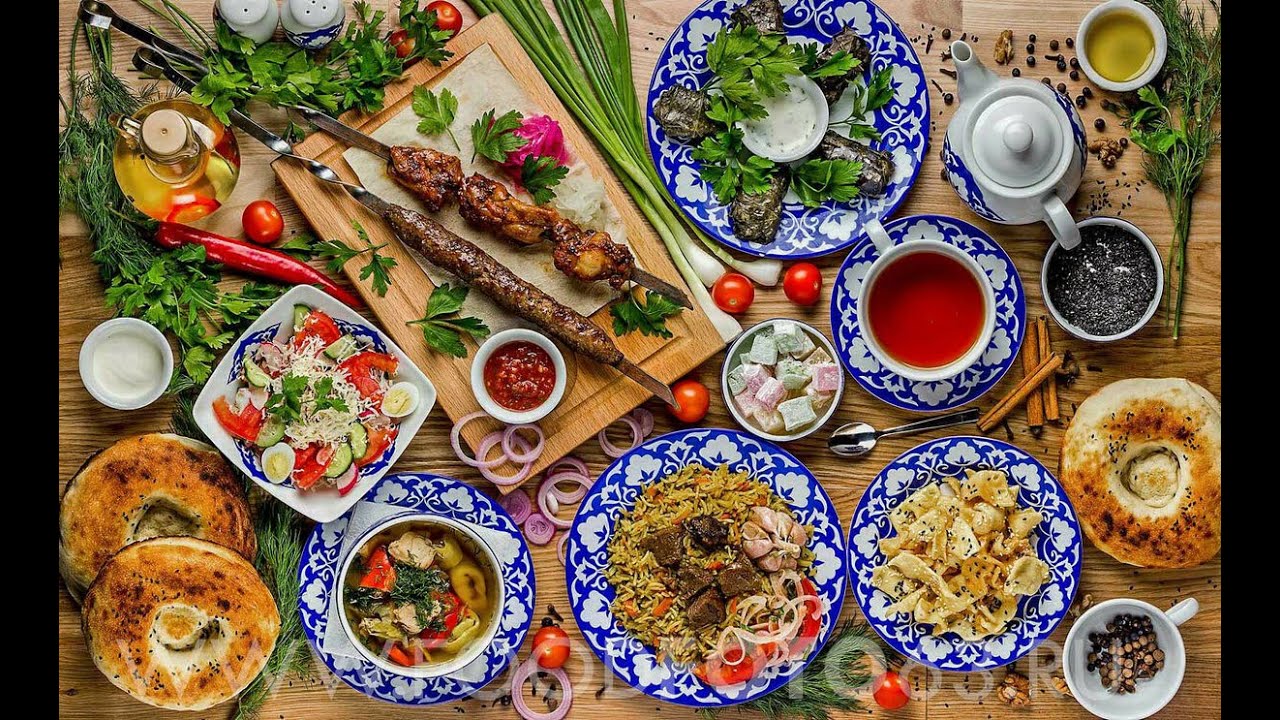
Uzbek cuisine is more than just food. This is the philosophy of generosity, centuries-old traditions and the art of turning simple ingredients into culinary symphonies. Born at the crossroads of the Great Silk Road, she absorbed the notes of Persian, Turkic and Arab gastronomy, while preserving her unique identity.
The heart of the table: the legendary pilaf
Nothing embodies Uzbek cuisine like pilaf (osh). It’s not just a dish, it’s a sacred ritual. In 2016, UNESCO included Uzbek pilaf in the list of intangible cultural heritage, recognizing it as a cultural phenomenon.
Regional diversity:
– Samarkand: layered, with raisins and chickpeas.
– Ferghana: with carrots, cut into strips.
– Bukhara: with the addition of pomegranate seeds.
A symbol of unity: Pilaf is cooked in a cauldron over an open fire, and eating it together from a large dish (cauldron) strengthens the bonds between people. The guest is always offered a piece of honor — kazi (horse sausage) or jiza (bacon fat).
The soul of hospitality
is “Mehmon – olokhning mehmoni” (“Guest – messenger of God”) — says the Uzbek proverb. It is not customary to greet guests here without a generous dastarkhan:
Tea ceremony: They are greeted with fragrant green tea (kok choy), which is poured from a bowl into a bowl three times to “wake up” the drink.
Tortillas as a talisman: Tandoor nones with a pattern are not cut with a knife — they are broken with their hands. According to legend, it keeps the house warm.
Unlimited generosity: The host will serve the best pieces to the guest until he tilts the bowl as a sign of satiety.
Gastronomic mosaic
Warming soups:
Shurpa is a rich broth with whole pieces of lamb, potatoes and carrots, generously seasoned with cilantro.
Moshkurda is a hearty stew with beans and fragrant herbs.
Summer freshness:
Chalop is a cold soup with radish, cucumber and fermented milk cheese, which saves from the heat.
Culinary masterpieces:
Samsa — triangular pies with mutton and onion, baked in a tandoor. Crispy on the outside, juicy on the inside.
Dolma — grape leaves with tender minced meat, stewed in sour cream sauce.
Manti are giant steamed dumplings served with hot sauce.
Sweets-fairy tales:
Halva is airy, with sesame seeds or nuts.
Navot — crystalline sugar with spices, served with tea.
Regional secrets
North (Tashkent, Samarkand): The kingdom of pilaf and flour products.
South (Ferghana, Andijan): Vegetable abundance, complex dishes with rice.
To taste Uzbekistan means to understand its soul. Here, cooking has become the language of love for the guest, where every pinch of cumin in the pilaf and every fold of samsa speak: “Welcome to our home!”


